OPINIONManchester United player ratings: David de Gea and Raphael Varane good vs Brentford

Man United beat Brentford in the Premier League at the Community Stadium and here’s how the players rated

David de Gea

Kept the scoreline goalless at the pause with two agile saves from Mathias Jensen. Another matchwinning performance. 8


Diogo Dalot

Jittery early on after his chasing from Lucas Digne. Played United into trouble and errant in the final third. Much calmer in the second-half and impressed. 7

Victor Lindelof

Brentford preyed on his lack of physicality and Lindelof was uncomfortable amid the rough and tumble. Like most, he improved after half-time. 6

A solid performer, despite the chaos in the first-half and maintained composure even after the first and second goals. Class. 8

Alex Telles

An inoffensive performance but still not effective enough in the final third and his corners were not threatening enough. 6

Scott McTominay

Struggled to adjust to his role holding the fort in the first-half but more settled after the pause and won the ball to spark counter-attack for Mason Greenwood’s goal. 7

Fred

Regressed after a promising performance at Villa Park and Brentford matched his ebullience in the first-half but he picked the lock to find Anthony Elanga. 6

Bruno Fernandes

sImpatient with his passing and played needless lofted balls no one was going to latch onto. Calmer after half-time and did brilliantly for the second goal. 7

SHARE
81

Elanga celebrates
Sign up for our daily newsletter to get the day’s biggest stories sent direct to your inbox

Enter your email…
Subscribe
We use your sign-up to provide content in ways you’ve consented to and to improve our understanding of you. This may include adverts from us and 3rd parties based on our understanding. You can unsubscribe at any time. More info
David de Gea

Kept the scoreline goalless at the pause with two agile saves from Mathias Jensen. Another matchwinning performance. 8


Diogo Dalot

Jittery early on after his chasing from Lucas Digne. Played United into trouble and errant in the final third. Much calmer in the second-half and impressed. 7

Victor Lindelof

Brentford preyed on his lack of physicality and Lindelof was uncomfortable amid the rough and tumble. Like most, he improved after half-time. 6


I’d sub Ronaldo again despite his reaction – Rangnick
Sponsored Link by Taboola
How to get a job in Australia as an international student
Deakin University International
Raphael Varane

76516486337
A solid performer, despite the chaos in the first-half and maintained composure even after the first and second goals. Class. 8

Alex Telles

An inoffensive performance but still not effective enough in the final third and his corners were not threatening enough. 6

ADVERTISEMENT

Sponsored by Advance Northumberland Ltd
Opt out of Adyoulike ad targeting
Scott McTominay

Struggled to adjust to his role holding the fort in the first-half but more settled after the pause and won the ball to spark counter-attack for Mason Greenwood’s goal. 7

RELATED ARTICLES

Newcastle working on loan deal to sign Jesse Lingard from Manchester Unitedmen

The tactical changes Manchester United have made to 4-3-3 formationmen
Fred

Regressed after a promising performance at Villa Park and Brentford matched his ebullience in the first-half but he picked the lock to find Anthony Elanga. 6

Bruno Fernandes


Impatient with his passing and played needless lofted balls no one was going to latch onto. Calmer after half-time and did brilliantly for the second goal. 7

Mason Greenwood

Not involved enough in the first-half but did not let his head drop and held his line to tap in Fernandes’ lay-off. 6

Anthony Elanga

Kept going despite the size difference against Mads Roerslev and took his goal exceptionally well to put United ahead. 7

Bruno Fernandes’ game by numbers vs. Brentford:

81% pass accuracy
78 touches
25 passes in the final third (most)
9 duels
7 crosses
5 touches in the opp. box
2 shots
2 assists (most)
2 clearances
1 interception

Another masterful performance.

Edited By Rodgers Ouma

Manchester united briefings ahead of Brentford clash

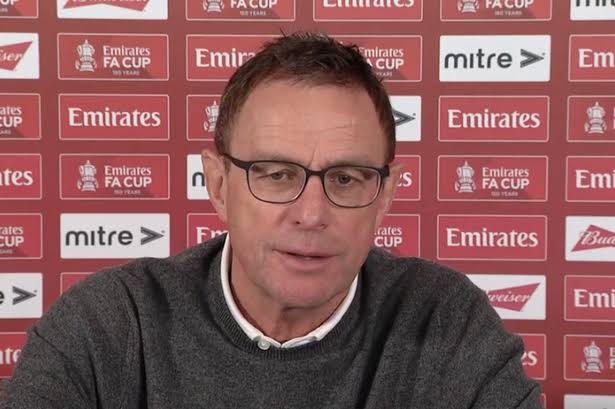
🗣 Rangnick: “Right now we don’t have any issues, we have players available, we haven’t had any Covid cases.”

on match postponements: “I don’t know, I can only speak about our club here, we had some problems four weeks ago… I can’t judge other clubs, it’s something the Premier League has to deal with.”

on Pogba’s contract situation: “I don’t know. I can’t answer, I’m not dealing with this.”

on Pogba: “He’s present, he’s physically present, he’s mentally present. What I saw in training yesterday was very promising for the future and I’m looking very much looking forward to having him available in two weeks time after the international break.”

“What he [Ronaldo] has done in his career so far is amazing. I mean, 800 competitive goals, nobody has achieved that before in the last, I don’t know, 80 or 100 years.”

“He [Elanga] listens and he’s trying to put all the effort into his game. I was pleased with his performance in the 75 minutes he played [against Aston Villa].”

on Elanga: “Yes, he’s a young player, he has enough pace, he has enough focus on the game. From the very first training session, the day before the Crystal Palace game, he just showed me.”

“He [Elanga] was showing up in the training sessions and that was the reason I decided to play him at Villa Park. I think he did well, he showed exactly what I expected him to deliver in that game. He is a very bright boy.”

“He [Ronaldo] was not available in the last two games, he trained yesterday and will probably train today again and then we will have to see whether he’s an option for Brentford.”

“Even with an outstanding Ronaldo, we are talking about a team sport in one of the most competitive leagues in the world – if not the most competitive – and he can’t do things on his own.”

🗣 Rangnick: “It was the first training session yesterday [for Pogba] after two-and-a-half months of injury and in this training session he showed, in every moment, when we played 6v6 or whatever we did in the rondos, that he’s an extraordinary player.”

“And that he can give a lot of positive input into the team if he’s fully focused.”

“I had a long conversation with him [Pogba] for more than an hour after the training session, a very good conversation. He committed himself until the end of the season.”

“He explained to me that he wants to be the best possible Paul Pogba that he can be.”

“Yes, I’m very much looking forward to having him [Pogba] available in two weeks’ time, after the international break, for three different competitions.”

“As I said, what I saw in training yesterday [from Pogba] was amazing: a very good standard of performance physically, emotionally and technically. Now it’s about showing that and having that transfer on to the pitch once he’s fully available.”

🗣 Rangnick asked whether it’s worth playing Paul Pogba despite his contract running out in the summer: “Yes of course. I also played Nemanja Matic in the last games and his contract is also expiring. By the way, my contract as a manager is also expiring in the summer.”

“For us, we have the same goal. We have the same ambition to be as successful as we can possibly be in the next three or four months.”

“For me it’s not a question if a player has an expiring contract, the question is how much does he still want to be a part of this group, how much does he still feel emotionally and physically on board.”

“As long as this is the case, why shouldn’t Paul Pogba now after two and half months of injury, fully fit again now?”

“He [Pogba] wants to show up, he wants to show the fans of #mufc, the board, the whole world what kind of player he can be and even if it’s only to show enough for a new contract elsewhere, he will be highly motivated to do that and why should I then not play him?”

“But as I said, there is a difference of how players deal with their current situation. How do they handle that? If they handle that in a professional way, an ambitious way, of course I will play players although they have a contract expiring in the summer.”

🗣 Rangnick: “Whenever I see him [Sancho] train, he’s showing that he’s one of the best players in the training sessions, but now it’s about transferring that to when he’s playing, and showing the same kind of level and performance on the pitch.”

“I said that to him [Sancho], by the way, the day before yesterday. ‘Confirm the performances you show in training when you’re playing on the pitch.’”

“For me it’s not at all a question of his [Sancho] position. It’s clear that in a 4-3-3 he’s a player for either of the two wing positions, either left or right. He can play both.”

“I think he [Sancho] would prefer a little bit the left side, because he can then switch inside and have a go on goal or shoot on goal with his strong foot. But for me, there’s no question, no doubt about his position.”

“He’s [Sancho] a winger. He’s somebody who can dribble fast with ball, and for me it’s not at all a question of which is the best possible position for him.”

“To me it’s important that we always win the next game we play, and it’s also a question of formation. Which is the best possible position for players?”

“We have now decided to play in a 4-3-3 like we played against Aston Villa, with one holding six and two eights, with three offensive players.”

on Sancho: “He’s playing for one of the biggest clubs in the world. I think it’s [his slow start] also got to do with a lot of different things up here in his head. It’s a difference if you come as an 18-year-old, unknown, a talented English boy to Borussia Dortmund.”

“From then on, you can only improve; you can only make a success out of that. The level of expectation was a lot lower compared to the situation when, at the age of 21, you come to a club like #mufc for a high transfer fee, with a high level of expectation.”

“Everybody expected from him [Sancho] that he would be one of the best players in the team. Again, this is psychologically, emotionally a more challenging situation than the one he had at Borussia Dortmund…”

“and these are exactly the kind of steps that he has to make to become a top player for the next 10 years for this club.”

“Of course, in the end he has to do that. He has [to make] that step again. As I said, in most training sessions he’s training on a very high level. Now it’s about having the transfer onto the pitch in the Premier League, in the FA Cup and in the #UCL.”

🗣 Rangnick on Jadon Sancho: “With those kinds of players, with those kinds of creative, offensive players, it’s all about confidence. It’s about having that confidence, being aware how good they can be, and then showing it in front of 75,000 or 40 to 45,000 at Villa Park.”

“He can do that; he has the ability to do that. There is no doubt about that, but now we have to develop him into that kind of player, showing the same kind of performances that he showed at Borussia Dortmund.”

“We can give him the guidelines, we can give him helping hands and show him that we are trying to accompany him on this way, and give all the necessary assistance that he needs, but in the end it’s up to him to take those next steps.”

“We have a big squad; maybe a little bit too big of a squad. And as far as I know, his [Lingard’s] contract is expiring in the summer, and the question is what will happen after that four months?”

on Jesse Lingard: “He will probably not be available for tomorrow because he didn’t train yesterday and the day before yesterday. He will probably also not train today, because he has an issue with his ankle. This is what I can state.”

“I have spoken to quite a few of those players who don’t get enough game time, and I can fully understand the players. If I was a player myself, or if I was the father or the agent, I would also not be happy about not playing regularly, or not playing at all.”

“But again, it takes two things: one is that the player wants to leave, and they also need clubs who can really offer them a contract and a better perspective to play. And then there also still needs to be an agreement between the two clubs.”

“As I said, I can fully understand some of our players who would like to get more game time, and they are capable to get more game time at other clubs, and I wouldn’t interfere. They would have even my blessing if they would want to leave…”

“But in the end, it’s the question of other issues that also need to be resolved.”

By Rodgers Ouma

Manchester united Briefing

Bruno Fernandes and his representatives turned down an offer in late autumn from Manchester United for new contract.
Sources say negotiations are expected to resume in May, when Fernandes and United are clearer about the team’s situation next season.

✍When Fernandes moved to Old Trafford he signed on a modest salary for a club with United’s resources because his Sporting Lisbon wage was around £50,000 per week. Fernandes doubled his money by joining United, before factoring in Champions League bonuses, but several players are earning more than him.

✍Cristiano Ronaldo has United’s highest salary, worth more than £400,000 per week, with David de Gea on £375,000 per week. Paul Pogba, Raphael Varane, Anthony Martial, Jadon Sancho, Edinson Cavani and Marcus Rashford are all believed to receive £200,000 per week or more, with Harry Maguire and Luke Shaw close to that figure.

✍United have offered Fernandes improved terms but he is looking for equity with the squad’s leading salaries given his importance to the team.
.
.
.
By Rodgers Ouma

Young People involvement in political decision making

For political systems to be representative, all parts of society must be included. When young people are disenfranchised or disengaged from political processes, a significant portion of the population has little or no voice or influence in decisions that affect group members’ lives. A key consequence is the undermining of political systems’ representativeness.

To make a difference in the longer term, it is essential that young people are engaged in formal political processes and have a say in formulating today’s and tomorrow’s politics. Inclusive political participation is not only a fundamental political and democratic right but also is crucial to building stable and peaceful societies and developing policies that respond to the specific needs of younger generations. For young people to be adequately represented in political institutions, processes, and decision-making, and in particular in elections, they must know their rights and be given the necessary knowledge and capacity to participate in a meaningful way at all levels.

When there are obstacles to participating in formal, institutionalized political processes, young people can rapidly feel disempowered. Many tend to believe that their voices are not going to be heard or that they will not be taken seriously even if they are heard. The problem becomes circular as politicians may lose interest in responding to the aspirations of young people if they cannot win their votes. This in turn leads to young people being increasingly excluded from taking part in decision-making, or in debates about key socio-economic and political issues, despite their sensitivity to the demands for social equity and justice, environmental protection and cultural diversity.

In new and emerging democracies, the inclusion of young people in formal political processes is important from the start. See Annex: A Spotlight on Countries in Transition. Young people’s active contributions can bring democratic values to life, leading to the overturning of authoritarian practices. In countries where young people have led protests that have forced authoritarian regimes from power, they are likely to feel significant frustration if they are not included in new formal decision-making procedures. This can destabilize democratization and accelerate conflict dynamics.

EMBs and other electoral stakeholders have a role to play in promoting young people’s participation in formal decision-making processes. For this role to be effective, it is necessary to understand the interconnected nature of the obstacles to participation in these processes that young people encounter.

By Rodgers Ouma

Manchester United Interim Manager press Conference

🗣 Rangnick: “Against their flexible midfield, at times it was difficult with their 10s behind our 6s, ahead of our central defenders. It’s not easy to defend that. It’s pretty challenging. After we changed to a diamond it got better.”

“I think we showed a reaction after the Wolves game, that is what everyone expected from us. We knew it would be very difficult against Villa. In the first half I thought we did well.”

“In the second half we were on the counter attack and we could have made more of those situations. We took the wrong decisions at times but when we changed to a diamond in midfield we had more control.”

“In the last 20 minutes we had more control. We fought well as a team together when it was important. In the end it was a good win. That was our goal, to proceed to the next round.”

🗣 Rangnick on Scott McTominay: “A beautiful goal, but on the other hand we were still struggling to get control in the midfield.”

“He is an academy boy, his energy is amazing. He now also starts scoring goals and also with some leadership skills. I wouldn’t be surprised if in a couple of years he would be the captain of this team.”

“We have to develop the team into a clean sheet team and that was another one today but still David de Gea was outstanding again for me today.”

“I would have wanted him [De Gea] to have less saves in total, I think we had four or five shots on goal but again we can still improve even in that area.”

🗣 Rangnick asked if he saw progress tonight: “Yes. To say that this was a perfect game, nobody would believe that, of course it was not. We still have quite a few things we can get better at but a clean sheet was important today and we worked together.”

“There are still a lot of things to improve but it is easier to do that with a 1-0 win.”

“It would be good for Marcus [Rashford] to score. As long as he is trying and training well I don’t see too much of a problem.”

“Hopefully we will have a few other players available, Harry [Maguire] and Phil [Jones] hopefully, for Villa on Saturday.”

“He’s [Rashford] trying hard, doing well last couple of days, that’s why he was in starting XI. First half we tried to get him into the box. Second half not as much the case, that’s why I decided to make changes.”

“From the very moment when we changed to a diamond in the last 20 minutes, when Donny [van de Beek] came on, from then on we controlled the game.”

By Rodgers Ouma

Transfer News

Official. After Umtiti contract extension and Coutinho deal with Aston Villa, Barcelona are finally able to register Ferran Torres as new signing. ✅🔴🔵 #FCB He’s gonna wear number 19. ⤵️

SOURCE @FabrizioRomano

Kenya: ODM Secret Line-Up Fuels Jitters Among Aspirants

A secret 2022 elections line-up has emerged in ODM leader Raila Odinga’s Siaya backyard, causing jitters among party aspirants over threat of exclusion.

The Nation has learnt that last year’s

withdrawal of Ugunja MP Opiyo Wandayi from the governor race had reportedly been influenced by top leadership of the party, lifting the lid on the emerging line-up.

Even though Mr Wandayi said his decision to withdraw came as a result of consultation with the party and his constituents, reports indicate he was implored to step down to create room for Senator James Orengo to run for the position.

Mr Orengo, 70, has joined hands with Mr Odinga’s brother Oburu Oginga, 77 who is seeking to replace him in the Senate.

Also in the team is Governor Cornel Rasanga, 64, who is seeking to dislodge first-time MP Samuel Atandi from the Alego Usonga parliamentary seat.

University lecturer Nicholas Kut is also eyeing the seat as well as former gubernatorial aspirant William Oduol.

Universal suffrage

The team has also roped in former Gem MP Jakoyo Midiwo’s brother, Mr Jalang’o Midiwo, who is equally eyeing the parliamentary seat currently held by Mr Elisha Odhiambo. In Rarieda, incumbent MP Otiende Amollo is also linked to the team.

In the last interview, Siaya ODM Chairman Oloo Okanda confirmed that the party has agreed on the candidacy of Mr Orengo for governor, Dr Oginga for senator and Mr Rasanga for Alego Usonga MP seat. According to plans, the party, he said, may rule out universal suffrage as a way of picking candidates and either opt for direct nomination, delegates’ participation or even acclamation.

We’re, however, concerned that the move could raise voter apathy among supporters of various candidates eyeing various positions,” Mr Okanda told the Nation on phone.

In the ODM line-up, it’s not clear whether Bondo MP Gideon Ochanda will also be roped in since Mr Andiwo Mwai has also thrown his hat in the ring.

It’s only Ugenya MP David Ochieng’, who was elected on the Movement for Democracy and Growth ticket, whose position is clear, as he doesn’t belong to ODM.

Siaya political activist Augustine Omondi aka Makamu said it was already a done deal for the governor, Senate and some parliamentary seats in the county.

Governor is Jim (Orengo), senator is Oburu while Alego Usonga MP is Rasanga. The decision is to have the old guard vie and later exit for the youth. Let them serve their term and retire,” Mr Omondi said.

Siaya has six constituencies: Alego Usonga, Bondo, Gem, Rarieda, Ugenya and Ugunja.

Senate seat

IEBC 2017 election data shows Alego Usonga has the largest number of registered voters at 103,334. Bondo follows with 90,278, Gem (80,472), Rarieda (75,779), Ugenya (57,603) and Ugunja 50,487 voters .

Mr Orengo hails from Ugenya, the upper part of Siaya County, meaning, if he bags the gubernatorial ticket then the Senate seat has to go to the lower side, which is Bondo or Rarieda.

In the wake of fury in the county over the alleged ODM secret line-up, Mr Wandayi has insisted that he was not coerced into withdrawing from the governor race in favour of Mr Orengo. The move followed wide consultations, he says.

“[H]aving listened to the voices of my Ugunja constituents, I wish to make it known that I’ll not be a candidate for the position of governor of Siaya County in 2022,” Mr Wandayi stated.

With the Ugunja MP out of the gubernatorial race, the battle is now expected to be between Mr Orengo, former Rarieda MP Nicholas Gumbo, former Police Spokesperson Charles Owino, former Permanent Secretary Carey Orege and Deputy Governor James Okumbe.

Although Mr Rasanga will be running for Alego Usonga MP, the governor is said to have promised to finance the team’s campaign due to his financial muscle.

He has also been accused of lining up particular current MCAs and aspirants for the ward positions he wants the party to hand nomination certificates ahead of the next elections.

This is to ensure that the incoming governor in the camp has a team of allies in the assembly for support. Mr Owino warned against issuance of direct tickets to aspirants, noting it’s likely to create voter apathy that could affect the presidential vote.

“We have no problem with the party so long as the people are allowed to participate in the nomination process. I know some of the aspirants may panic because they know they can’t steal my votes. Yet I can lose an election.”

He said he’s ready to back whoever wins in the party primaries in a free, fair and credible contest.

But Mr Anthony Oduor from Gem questioned why ODM would push for direct tickets yet the party stands for democracy.

“The likes of Orengo claim they have fought for democracy; do they practise it or just want it at the national level and not at the regional level?” Mr Oduor posed.

By Rodgers Ouma.

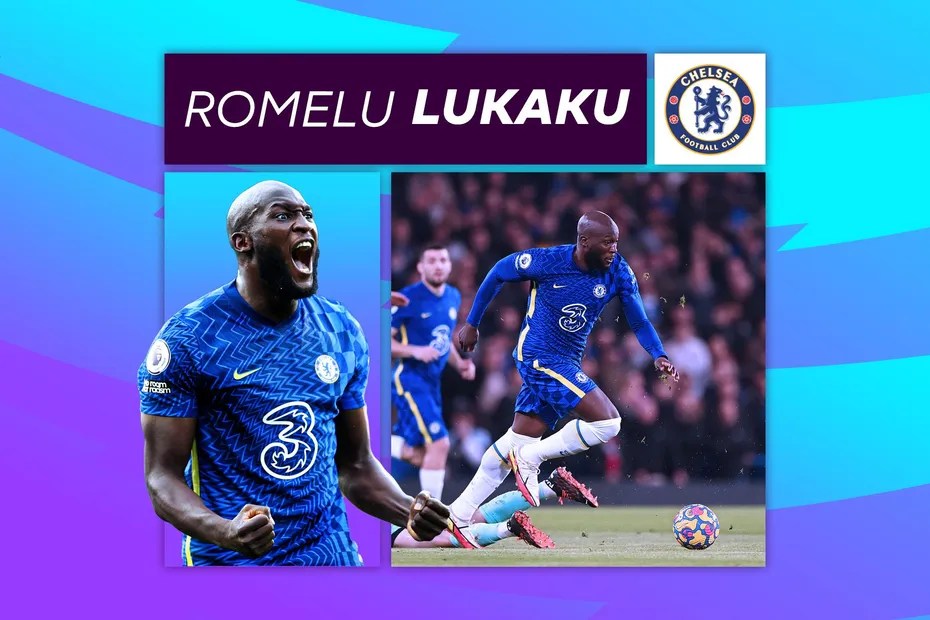
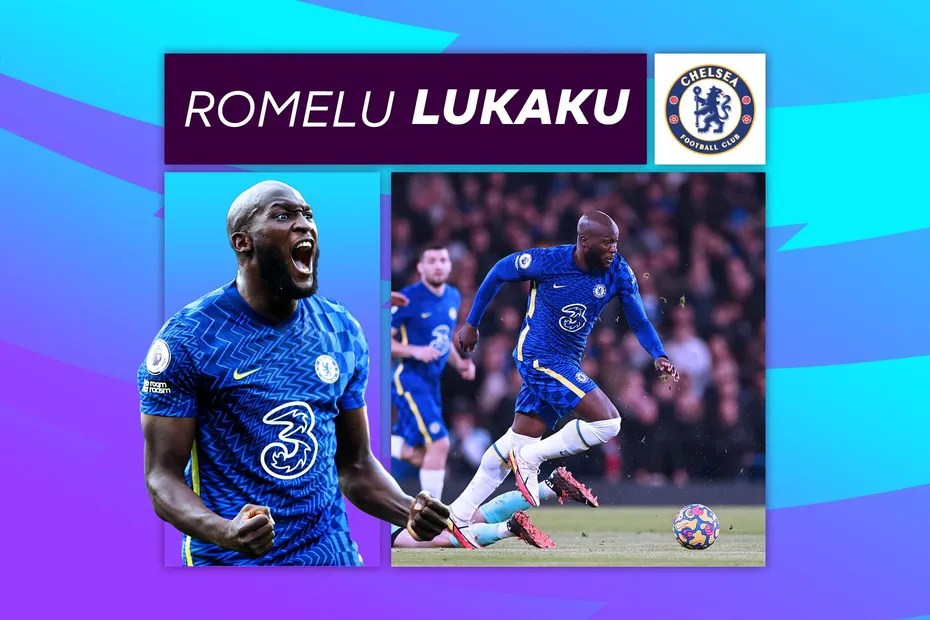
How Lukaku can carry Chelsea past Liverpool

Duncan Alexander analyses the striker’s preferred style of play can profit against Jurgen Klopp’s side.

After a stop/start first few months back in west London, Romelu Lukaku’s goals in his last two Premier League appearances have provided a progression that Chelsea urgently need.

Sunday 2 January
CHE 19:30 LIV

Chelsea have dropped points in four of their last six league matches and on Sunday face a Liverpool side in much the same situation.

If one team lose, they are not categorically out of the title race but, then again, probably would be.

How can Lukaku bring his Inter Milan form to the table? Or, more accurately perhaps, should Thomas Tuchel get his side to play to their striker’s strengths in the way that the Nerazzurri did?

Attacking influence


Last season Lukaku was making 4.37 carries (defined as when a player moves with the ball for five metres or more) per 90 minutes, and was a regular outlet for Inter on the right.

His rate for that metric at Chelsea this season is only 3.04, the lowest of any outfield player at the club other than Saul Niguez. This is largely understandable given the array of creative players Chelsea have in their squad, but, crucially, it does not get the best out of their record signing.

Last season, Lukaku averaged 0.75 shots after a carry per 90 minutes. That figure is also down at Chelsea, to only 0.33.

That Lukaku’s skillset includes excellent penalty-box poaching, as demonstrated by his brilliantly headed goal at home to Brighton & Hove Albion in midweek, should not mean his greater general threat from outside the area will be compromised.

We saw evidence that Lukaku can be used in an optimal way by Chelsea both in their second match of the season at Arsenal, and particularly in their win at Aston Villa on Boxing Day.

Lukaku was a half-time sub at Villa Park, but his running with the ball on the counter-attack was noticeably effective, resulting in the late penalty to make the scoreline comfortable.

Full-backs pushing on
It was almost the template of how to get the best out of the striker, one perfected by Roberto Martinez as Lukaku’s manager at Everton and then the Belgian national team.

Tuchel would naturally point out that Chelsea’s ability to play on the counter is determined by how opponents are set up against his team, and Villa’s hunt for an equaliser on Boxing Day certainly allowed Lukaku the space he can thrive in.

Generally, teams sit back against Chelsea, but perhaps, then, Liverpool at home, a team who had 66 per cent of the ball in the reverse fixture at Anfield, and whose full-backs push notoriously high, is the perfect sort of match for Lukaku, football’s secret winger, to dominate.

Rodgers Ouma

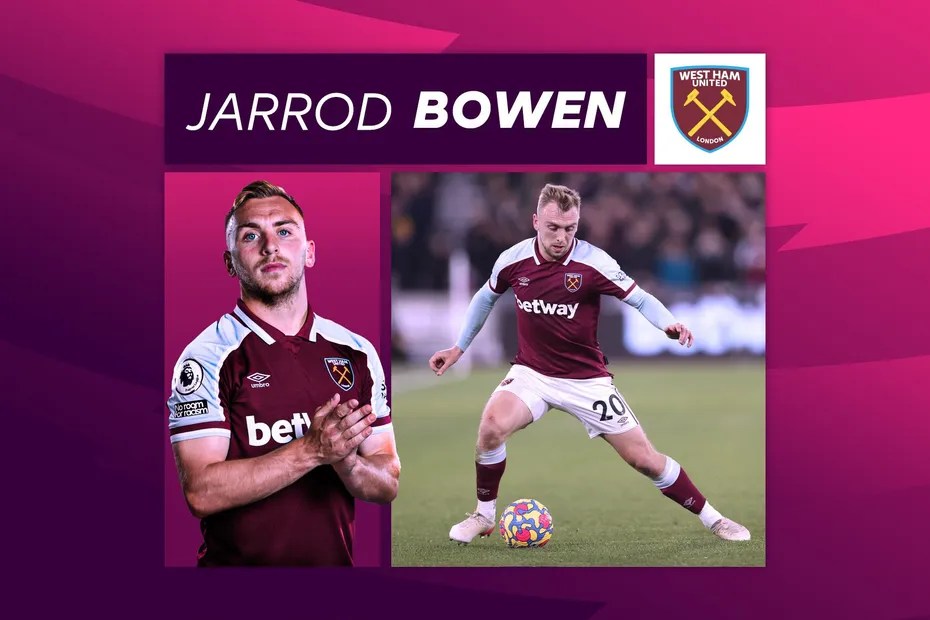
Bowen driving West Ham in the right direction

Adrian Clarke explains why in-form forward will be most feared by Crystal Palace

Adrian Clarke looks at key tactical points and players who can be decisive in Matchweek 21.

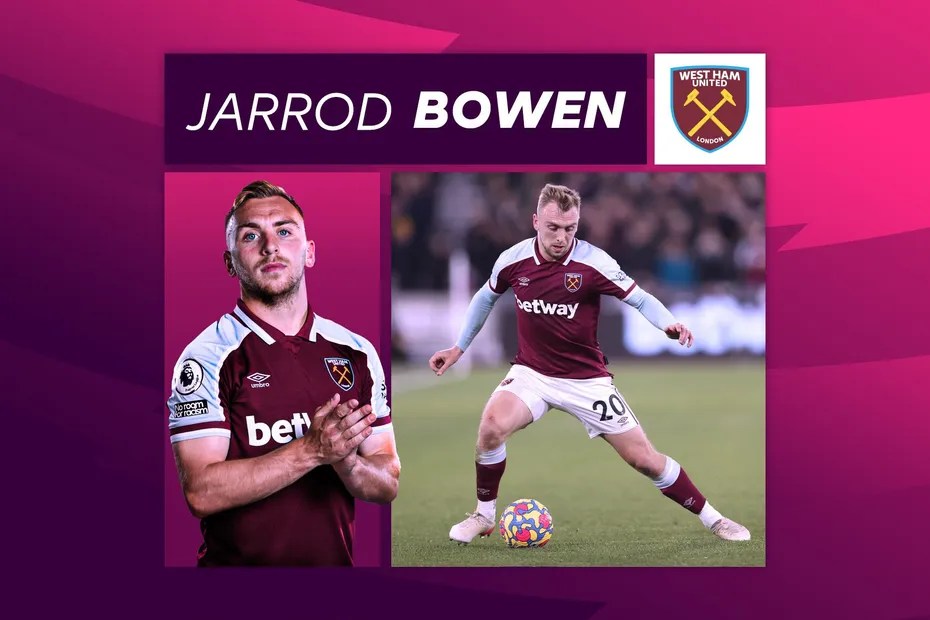
Jarrod Bowen (WHU)
Bowen is developing into one of the most dangerous wide forwards in the Premier League.

Saturday 1 January
CRY 20:30 WHU

The 25-year-old has been outstanding for West Harm

Saturday 1 January
CRY 20:30 WHU

The 25-year-old has been outstanding for West Ham United this season, producing 10 direct goal involvements (three goals, seven assists) at a rate of one every 159 minutes.

Tormenting full-backs down the right, as well as popping up inside the box as a supplementary striker, the speedy and skilful Bowen is a consistent menace.

While David Moyes’ side contain numerous attacking threats, their next opponents Crystal Palace will likely fear Bowen most.

West Ham wing play 2021/22
Player Sprints/90 Player Top speed
Vlasic 22.8 Antonio 34.08
Bowen 17.2 Rice 33.47
Coufal 16.4 Bowen 33.21

One of Bowens’s great strengths is testing his markers with positive sprints.

Eager to stretch play, he makes more high-intensity bursts than any other West Ham regular and his pace provides a stern examination for whomsoever he is up against.

No one in Moyes’ squad attempts or completes more dribbles, and 24 of his ball carries this term have ended in a chance being created for West Ham.

Allan Saint-Maximin (42), Mohamed Salah (31), Adama Traore (27), Bukayo Saka and Michail Antonio (both 25) are the only top-flight players to produce more chance-creating ball carries.

Out of possession, Bowen is also happy to chase lost causes, and he especially enjoys closing down space for goalkeepers.

He won penalties against Watford and Chelsea by stealing in ahead of those opposition defenders who caught him with fouls inside the area.


Search Premier League
Submit search
Talking Tactics
Bowen driving West Ham in the right direction
Adrian Clarke 1 Jan 2022
Share
action.share.whatsApp
Share on Twitter
Share on Facebook
Email
Bowen TT
Adrian Clarke explains why in-form forward will be most feared by Crystal Palace
Related Articles

FPL Update: Bowen the top target for GW21
Wright: West Ham doing unbelievable things

Behind The Scenes: Watford 1-4 West Ham United External Link
Adrian Clarke looks at key tactical points and players who can be decisive in Matchweek 21.

Jarrod Bowen (WHU)
Bowen is developing into one of the most dangerous wide forwards in the Premier League.

Saturday 1 January
CRY 20:30 WHU

The 25-year-old has been outstanding for West Ham United this season, producing 10 direct goal involvements (three goals, seven assists) at a rate of one every 159 minutes.

Tormenting full-backs down the right, as well as popping up inside the box as a supplementary striker, the speedy and skilful Bowen is a consistent menace.

While David Moyes’ side contain numerous attacking threats, their next opponents Crystal Palace will likely fear Bowen most.

West Ham wing play 2021/22
Player Sprints/90 Player Top speed
Vlasic 22.8 Antonio 34.08
Bowen 17.2 Rice 33.47
Coufal 16.4 Bowen 33.21
One of Bowens’s great strengths is testing his markers with positive sprints.

Eager to stretch play, he makes more high-intensity bursts than any other West Ham regular and his pace provides a stern examination for whomsoever he is up against.

No one in Moyes’ squad attempts or completes more dribbles, and 24 of his ball carries this term have ended in a chance being created for West Ham.

Allan Saint-Maximin (42), Mohamed Salah (31), Adama Traore (27), Bukayo Saka and Michail Antonio (both 25) are the only top-flight players to produce more chance-creating ball carries.

Out of possession, Bowen is also happy to chase lost causes, and he especially enjoys closing down space for goalkeepers.

He won penalties against Watford and Chelsea by stealing in ahead of those opposition defenders who caught him with fouls inside the area.

Most PL assists 2021/22
Player Total
Mohamed Salah (LIV) 9
Trent Alexander-Arnold (LIV) 8
Jarrod Bowen (WHU) 7
Gabriel Jesus (MCI) 7
Bowen arrives at Selhurst Park brimming with confidence.

Last time out at Watford, he conjured up a pair of superb assists, playing a precise through-ball for Tomas Soucek before skipping past a defender to cut the ball back for Nikola Vlasic to score his first Premier League goal.

In a 3-2 loss at home to Southampton, the match prior, he also laid on a goal for Pablo Fornals after some skilful play down the right.

His eye for a killer pass has improved markedly this term, and is a reason why he has already made two more assists than he did in 2020/21.

Easing Antonio’s burden
As the club’s only senior centre-forward, there is a lot of pressure on Antonio to deliver goals.

Moving in off the right to become a second striker – or standing in for Antonio when he is unavailable – Bowen is now easing the burden on their top scorer.

West Ham attack comparison
Player Shots Player Shots on target
Antonio 34 Bowen 18
Bowen 30 Antonio 17
Benrahma 24 Benrahma 13
Player Chances created Player Direct goal involvement
Antonio 32 Antonio 12
Bowen 28 Bowen 10
Fornals 22 Benrahma 8

From a tactical perspective, Bowen is now comfortable switching roles with Antonio for short spells within matches.

This gives rival defenders something different to contend with and it also allows Antonio to mix up his runs and positioning.

In all the key metrics for attacking players, Bowen has shown he can keep pace with Antonio’s contributions, and that has been a real boost for the Hammers.

While it is unfair and premature to compare him with Liverpool’s Salah, there are similarities in style between the two.

Bowen has been integral to West Ham’s impressive season so far and will hope to deliver once more in Saturday’s London derby.

Edited By Rogers Ouma.

HISTORY OF MANCHESTER UNITED-LIVERPOOL RIVALRY

The Manchester United – Liverpool rivalry is the biggest rivalry in English football. They are England’s two most successful clubs by a distance. It’s not counted as a local derby because the clubs aren’t from the same city, but a distance of just 30 miles separates the clubs.

The rivalry goes beyond football, as the cities have a rivalry between themselves. This has added to the rivalry between the football clubs. When the Manchester Ship Canal was built in 1894, workers in Liverpool lost their jobs. This was because Liverpool was a major sea port, but they suffered when ships could bypass the city and go directly to Manchester. There was anger in Liverpool because of this, and tension began between Liverpool and Manchester.

Just three months later, Manchester United and Liverpool met for their first ever competitive match.

The First Meeting – 1894
Newton Heath – Manchester United’s original name before it was changed in 1902 – finished bottom of the First Division in the 1893/94 season. Liverpool, who were undefeated all season, won the Second Division, which would mean a play-off game between the two clubs for the right to play in the First Division the following season. Liverpool won the game 2-0 and replaced Newton Heath in the First Division. The Man United – Liverpool rivalry was born.

Early 1900s
Liverpool won their first league title in 1901. They added a second in 1906, which was the same season Man United were promoted back to the First Division. A couple of years later, in 1908, Man United won their first league title. They then won the first ever Charity Shield in the same year, and won the FA Cup the year after. United won the league and Charity Shield again in 1911.

League football took a break following the outbreak of World War I, before returning in 1919. Liverpool won league titles in 1922 and 1923, as Man United declined. United were relegated in 1923. Between 1923 and 1947, neither club won a trophy, until Liverpool won another First Division title. But once again, both clubs’ fortunes changed.

1940s Onward

Man United began to see some stability in 1945 when the legendary Matt Busby was appointed as manager. Busby had previously been a player for United’s two biggest rivals: Manchester City and Liverpool. He played 204 games for Man City and 115 for Liverpool, and was even Liverpool’s captain.

When Busby retired from football, he was offered a job as Liverpool’s assistant manager. But Busby’s ideas differed to theirs, so they allowed him to pursue another job. He met with Man United about taking over as their manager. He demanded that he would be involved with training, be able to pick the team and run the club’s transfer activity because he believed he knew the game better than the club’s officials. A move like this was unprecedented at the time, but the club agreed to the deal. He was initially offered a three-year contract, but convinced the club to give him a five-year deal, as he said that’s how long it would take him to sort things out.

United’s Rise Under Busby

While Busby didn’t bring immediate success to Man United, he brought stability. The club finished as First Division runners-up in 1947, 1948, 1949 and 1951. Just one point separated Man United and Liverpool in the 1946/47 season, as Liverpool narrowly won the league. Busby’s first honour as United manager came in 1948, as they won the FA Cup.

Even though Liverpool won the league in 1947, they weren’t particularly successful during this period. That was their first title since 1923, and they had to wait until 1964 for their next one. While Liverpool were declining, United were ascending.

Busby brought the club their first league title in over 40 years when they won the league in 1952. United were a lot more dominant than Liverpool in the years that followed. They won the First Division in 1952, 1956, 1957, 1965 and 1967: all under Busby. They added an FA Cup in 1963, and became the first English club to win the European Cup when they beat Benfica 4-1 at Wembley in 1968.

But in the 1960s, Liverpool also rose. Bill Shankly got them promoted back to the First Division in 1962. Man United and Liverpool found themselves in direct competition for the first time as they battled it out for titles. Liverpool won the First Division in 1964 and 1966, which meant the clubs shared the title for four straight years.

Busby was doing such a good job at United that Real Madrid approached him and asked him to take over as manager. Real Madrid’s president, Santiago Bernabeu Yeste, told Busby it’s “like managing paradise”. But Busby refused, saying “Manchester is my heaven”.

But, after Man United won the league title in 1967 and the European Cup in 1968, they went on a long run without winning the title.

Liverpool’s Rise

Liverpool became the far more dominant club once again. In 1973, with Bill Shankly still the Liverpool manager, they won the league. This began an era of unbelievable Liverpool dominance that hadn’t been seen before. That was Shankly’s third, and last, title at Liverpool, as he would leave the club the following season, in 1974, after winning the FA Cup.

Between 1974 and 1991, Liverpool had three more managers. Bob Paisley, Joe Fagan and Kenny Dalglish all had an unbelievable amount of success. In total, including Shankly’s title win in 1974, the club won the league 11 times. They won it in 1973, 1976, 1977, 1979, 1980, 1982, 1983, 1984, 1986, 1988 and 1990. They won the FA Cup in 1974, 1986 and 1989 and won the League Cup in 1981, 1982, 1983 and 1984. Liverpool also won four European Cups during this time: in 1977, 1978, 1981 and 1984. They also added the European Super Cup in 1977 and the Uefa Cup in 1973 and 1978.

Liverpool were by far the most successful English club after this amazing run of success. Nobody could come close to them. Man United had one thing to latch onto during this time. They beat Liverpool in the FA Cup final in 1977, which denied Liverpool from winning the treble as they won the league and European Cup. United managed some FA Cups during these years – in 1977, 1983, 1985 and 1990 – but there was no comparison.

But after Liverpool won the league in 1990, things changed once again.

Liverpool Decline and Early Alex Ferguson Days
Nobody would have foreseen that Liverpool’s league win in 1990 would be their last for decades. To this day, they’re still without a title. And from then, Man United rose and have been much the better team.

Alex Ferguson took over as manager in 1986. It took him some time to get going, though. They were 21st in the table when he took over, but he led them to 11th. In 1988, United finished second: nine points behind Liverpool. But, after some early promise, things didn’t really improve. During the 1989/90 season, there were calls from fans and the press for Ferguson to be sacked. A banner at Old Trafford read: “3 years of excuses and it’s still crap… ta ra Fergie”.

During that season, United were drawn to play Nottingham Forest in the FA Cup. Forest were a good side and on a good run of form, while United were not. It was expected that Forest would win the game and Ferguson would be sacked afterwards. But United surprisingly won the game 1-0 and he kept his job. It has since been said that his job was never in danger, but of course they would say that! United went on to win the FA Cup that season, which was Ferguson’s first trophy at the club.

The following season, 1990/91, United finished sixth but won the European Cup Winners’ Cup.

1991/92 was a disappointing season for them. They did win the League Cup and the Uefa Super Cup, but lost out on the league title to Leeds. That was particularly disappointing because Man United were top of the table for quite a while but let it slip away. Leeds also being their rivals didn’t help either, of course.

Man United’s Dominance Begins
The 1992/93 season didn’t start off great, but when United signed Eric Cantona from Leeds, things changed. United went on to win the league title that season, which was their first win since 1967. A late comeback against Sheffield Wednesday, when they scored in injury time, or “Fergie-time”, put them top of the league, and was seen as the game that would push them along their way to winning the title.

That league win kicked off an unbelievable amount of success for United, which was similar to Liverpool’s run in the 1970s and 1980s. Man United absolutely dominated English football for 20 years. They would go on to win the league (now known as Premier League) 13 times during those 20 years: in 1993, 1994, 1996, 1997, 1999, 2000, 2001, 2003, 2007, 2008, 2009, 2011 and 2013. They won four FA Cups: in 1994, 1996, 1999 and 2004. United won the European Cup (now known as Champions League) on two occasions: in 1999 and 2008. There was the famous treble in 1999, when United won the Premier League, Champions League and FA Cup.

During this time, Liverpool had a small amount of success, but nothing that was anywhere near the level United had. They won the FA Cup in 1992, 2001 and 2006, and the League Cup in 1995, 2001, 2003 and 2012. They added the Uefa Cup in 2001, which saw them win a treble, but this isn’t seen as a big an achievement as United’s treble for obvious reasons. Liverpool did add another Champions League though, as Rafa Benitez guided them to their fifth success in the competition in Istanbul in 2005. The win meant that they could keep the actual trophy and wouldn’t receive a replica, as Uefa allow that when you’ve won it five times.

Liverpool led the pack when it came to league trophies for a long time after they had so much success in the 1970s and 1980s. But Man United really closed that gap in the 1990s and 2000s when Ferguson’s teams couldn’t stop winning silverware. When Man United won the Premier League in 2009, they equalled Liverpool’s haul of 18 league titles. They won it again in 2011 to overtake them, and added a 20th championship in 2013. The two clubs were involved in a title race in 2009, but Man United emerged victorious; winning the title by four points.

In February 2017, Man United equalled Liverpool’s record of 41 major trophies won when they won the League Cup. Just a few months later, they won the Europa League and surpassed their biggest rivals.

Man United’s Decline

In recent years, things have swung again. Alex Ferguson retired in 2013 after winning the Premier League. United are still without a title since then and have encountered struggles. David Moyes, Louis van Gaal and Jose Mourinho have all tried, and failed, to bring United back to the top.

Liverpool have improved hugely under Jurgen Klopp and won their first trophy under the German’s guidance in 2019 when they beat Tottenham in the Champions League final in Madrid. It was their sixth European Cup win, and the trophy brought Liverpool back level on major trophies with Manchester United. With the position the clubs are in at the moment, the Reds will be confident of overtaking them again soon.

Hatred

As with any big rivalry between clubs, there is genuine hatred from each; from both sets of fans and players. Often when they play, there are arguments on and off the pitch.

Some go too far and cross the line, while others add some real spice to the occasion. Some Man United fans have sung about the Hillsborough disaster and Heysel before, while some Liverpool fans have been guilty of singing about the Munich air disaster. It doesn’t have to be said that this is absolutely disgusting behaviour that should never happen and should not be tolerated. It is just a minority of people that cross the line and sing about stuff like that, though.

But there have been plenty of instances of players, fans and managers clearly showing their hate for each other.

Gary Neville chose to celebrate in front of the Liverpool fans before. He was fined and banned for two matches for the celebration, but has said he never regretted it.

When Liverpool defender Neil Ruddock broke both of Andy Cole’s legs in a reserve match, he said: “I didn’t meant to break both legs, I only meant to break one… I absolutely destroyed him… I know it’s not big and it’s not clever but it was great.”

When Steven Gerrard was showing a film crew around his house, he brought them to a room where he had opposition shirts that he swapped for his own after games. But there were no Man United shirts, because he would never have one in his house.

Gary Neville once said: “I can’t stand Liverpool, I can’t stand the people, I can’t stand anything to do with them.”

And one of the most famous quotes of all time came from Alex Ferguson. “My greatest challenge is not what’s happening at the moment, my greatest challenge was knocking Liverpool right off their fucking perch. And you can print that.”

There was also a huge incident between Luis Suarez and Patrice Evra, when Suarez racially abused United’s French defender. Suarez was banned for eight games after the incident.

Every time the clubs play, there is a huge police operation in place. This is because there is regularly trouble between the two sets of fans. Even with hooliganism declining in English football, fans between the clubs would fight if they got a chance to. There have been numerous incidents of trouble between them in the past, which is far too much to get into in this article.


United fans will say they’re the top club because they’ve done more in recent years and have won more leagues. But Liverpool fans will point to their six European Cups as evidence that they’re the number one club in England. You could argue both sides of it, but regardless of who’s on top, these are the two clubs with the most history and trophies in English football, and it looks like it’ll remain that way for many years to come.

At the moment, Liverpool look the more likely club to challenge at the top of the Premier League and in Europe. But with Man United being such a big club, with huge resources, they never seem like they’re too far away from challenging either. The two could be involved in direct competition once more in the coming years, even if United do look a bit off the pace at the moment.

“History of the M
anchester United – Liverpool rivalry” is part of our in-depth series.